Case study
Global Boutique Merchandising Visualisation Platform
Overview
A global luxury retailer needed a better way to visualise how products would be displayed across different boutique formats and markets. Although merchandising teams managed thousands of SKUs through Excel and Anaplan, there was no simple way to see how those products would appear in a physical store environment. This made planning time-consuming, difficult to communicate, and inconsistent across regions.
My Role
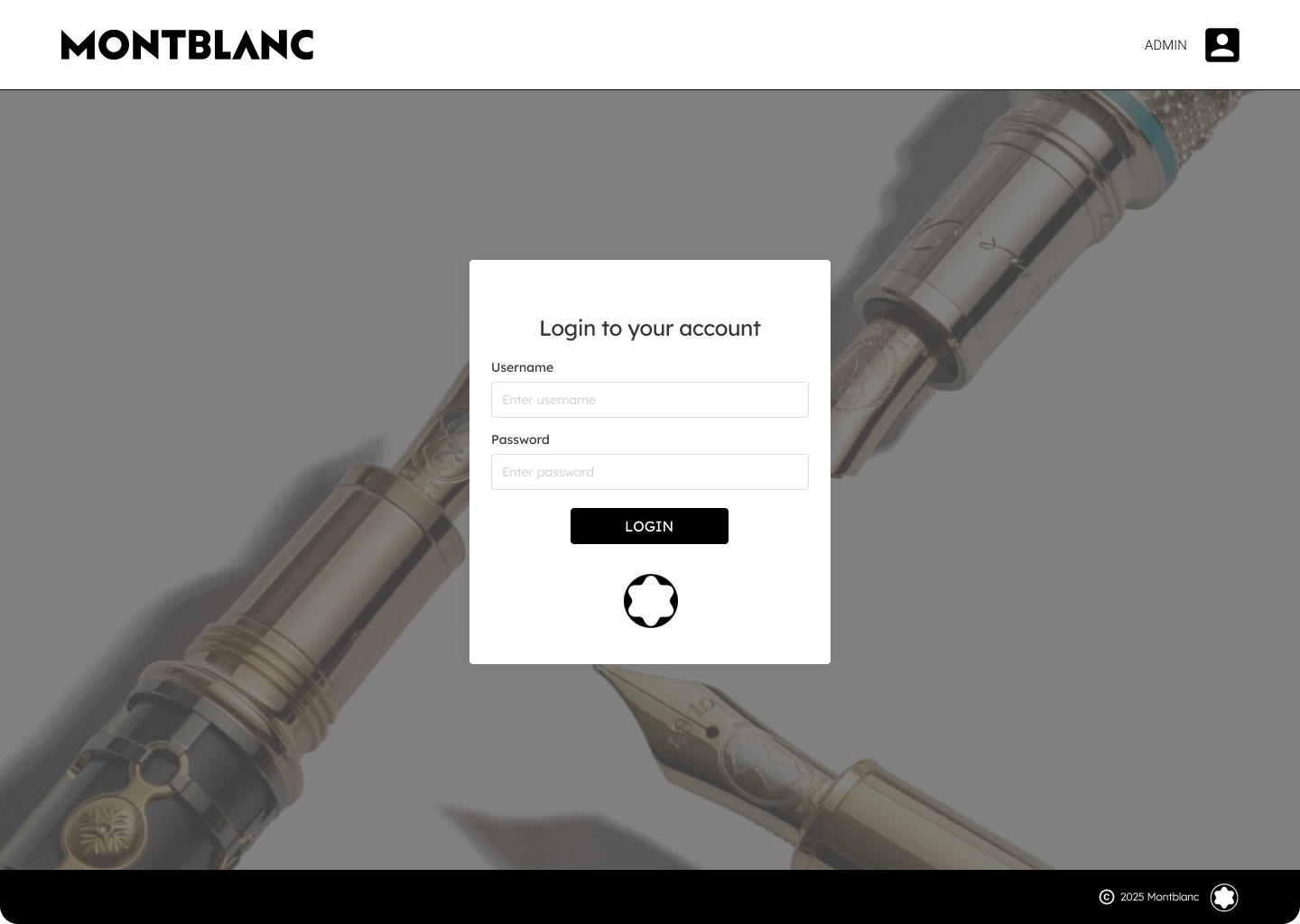
As the UX Designer, I designed a desktop web application that transformed static SKU data into an interactive visual merchandising tool. I led the user experience from discovery through to prototyping, working closely with stakeholders to understand existing workflows and identify opportunities to simplify the planning process.
The Challenge
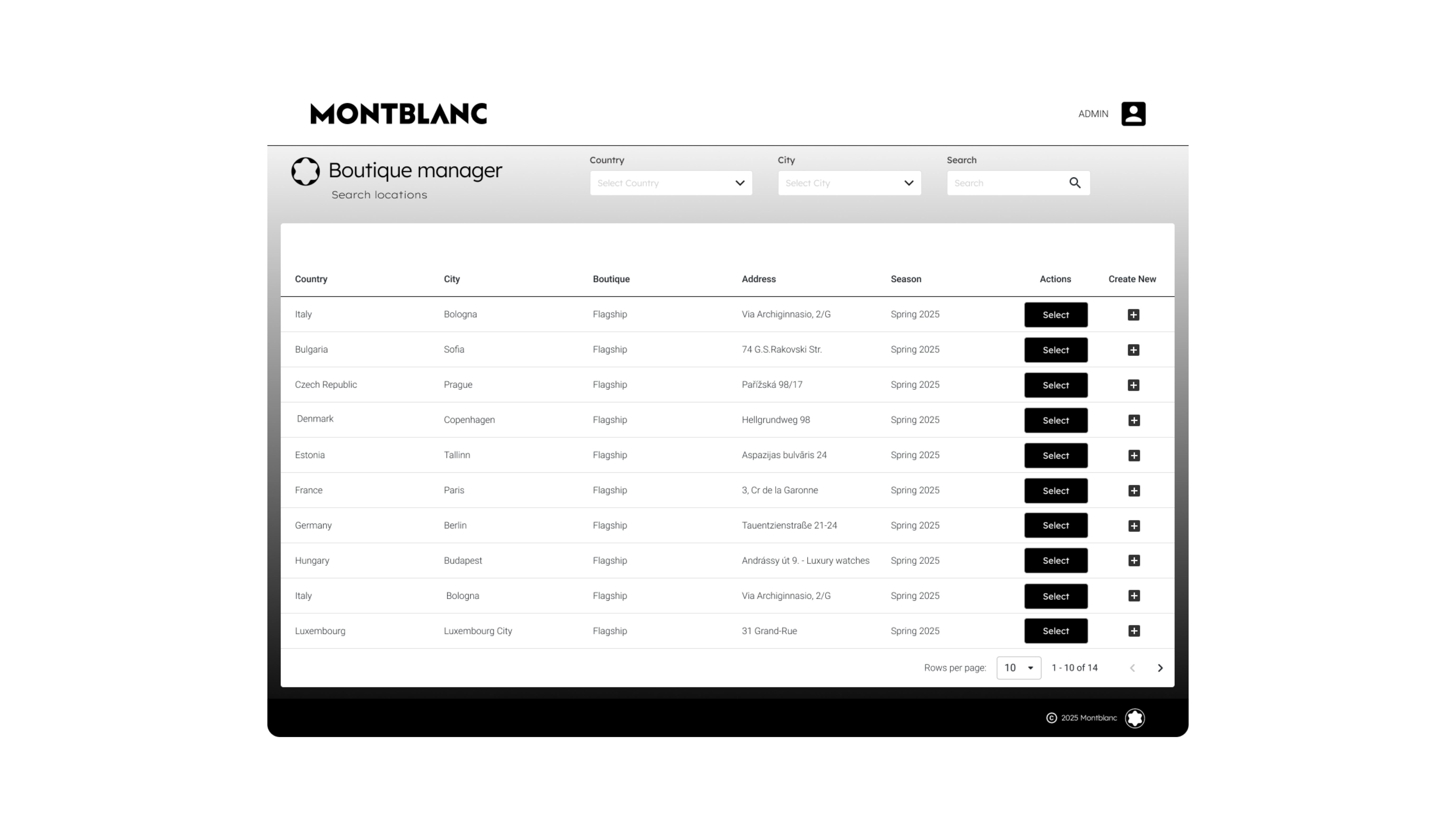
Merchandising teams relied on spreadsheets and manual processes to plan showroom layouts. Product data existed, but there was no visual link between an SKU and its placement within a boutique. Regional teams often interpreted layouts differently, creating inconsistencies across markets and increasing the effort required to align merchandising plans globally.
The Solution
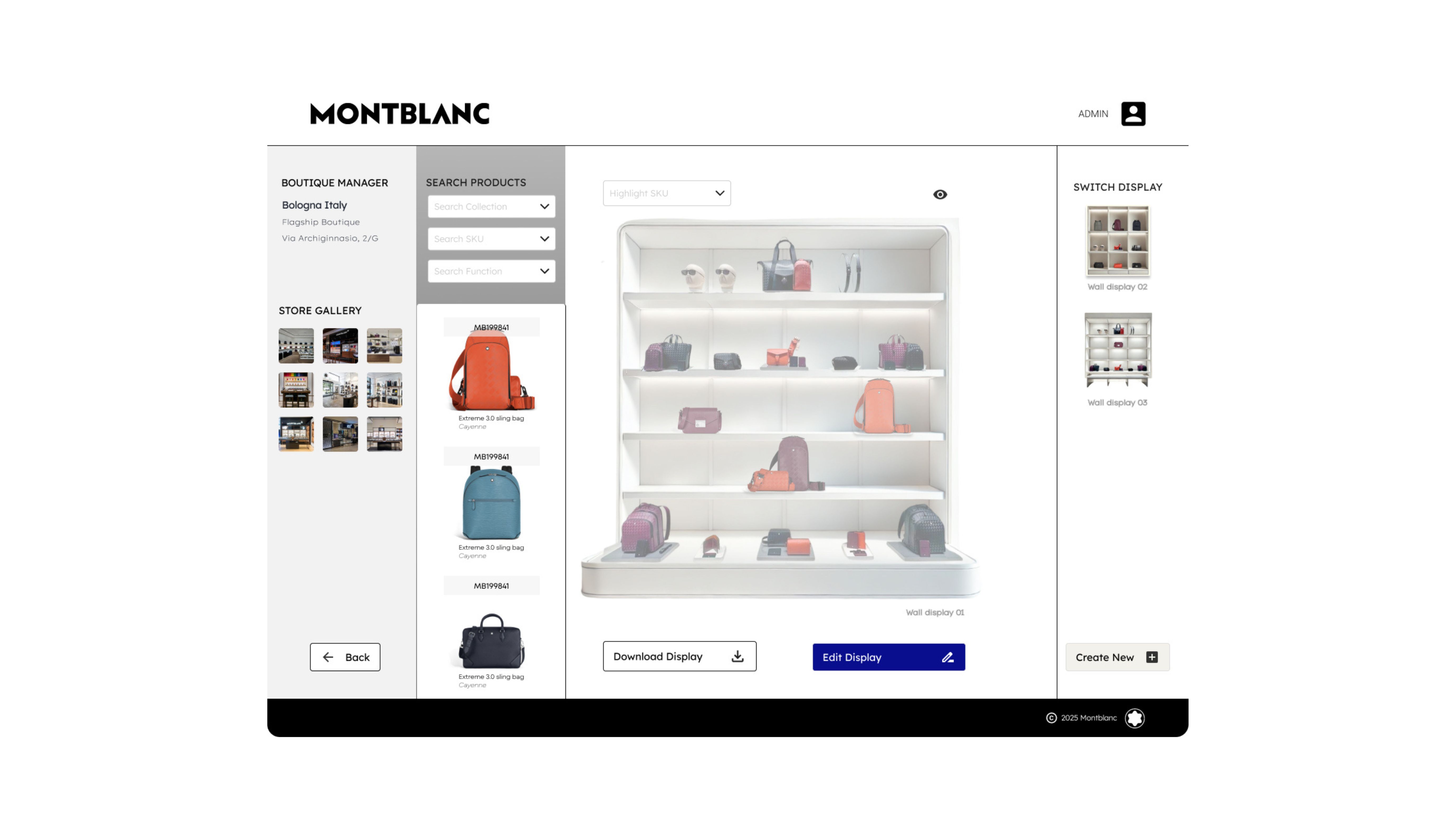
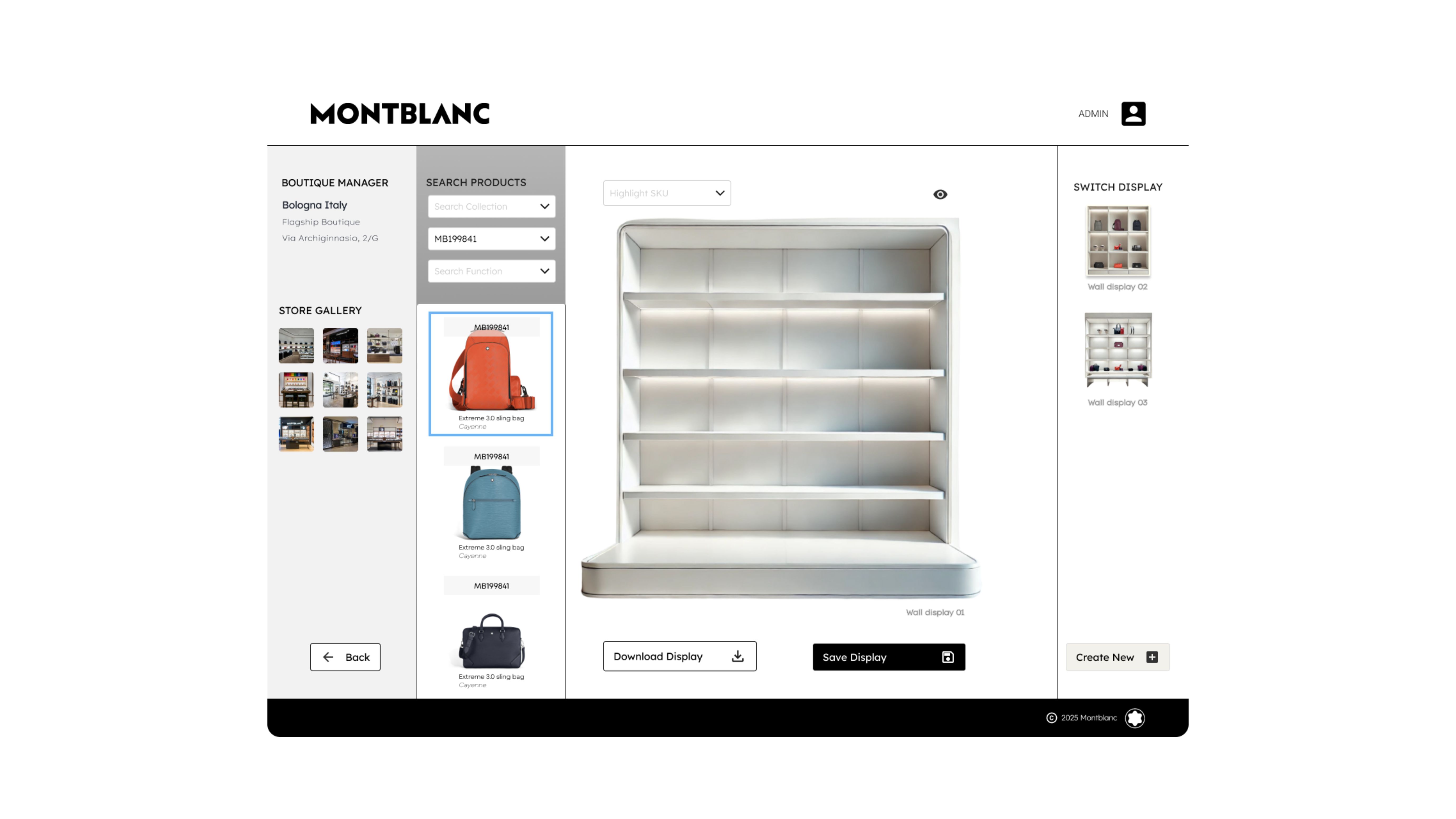
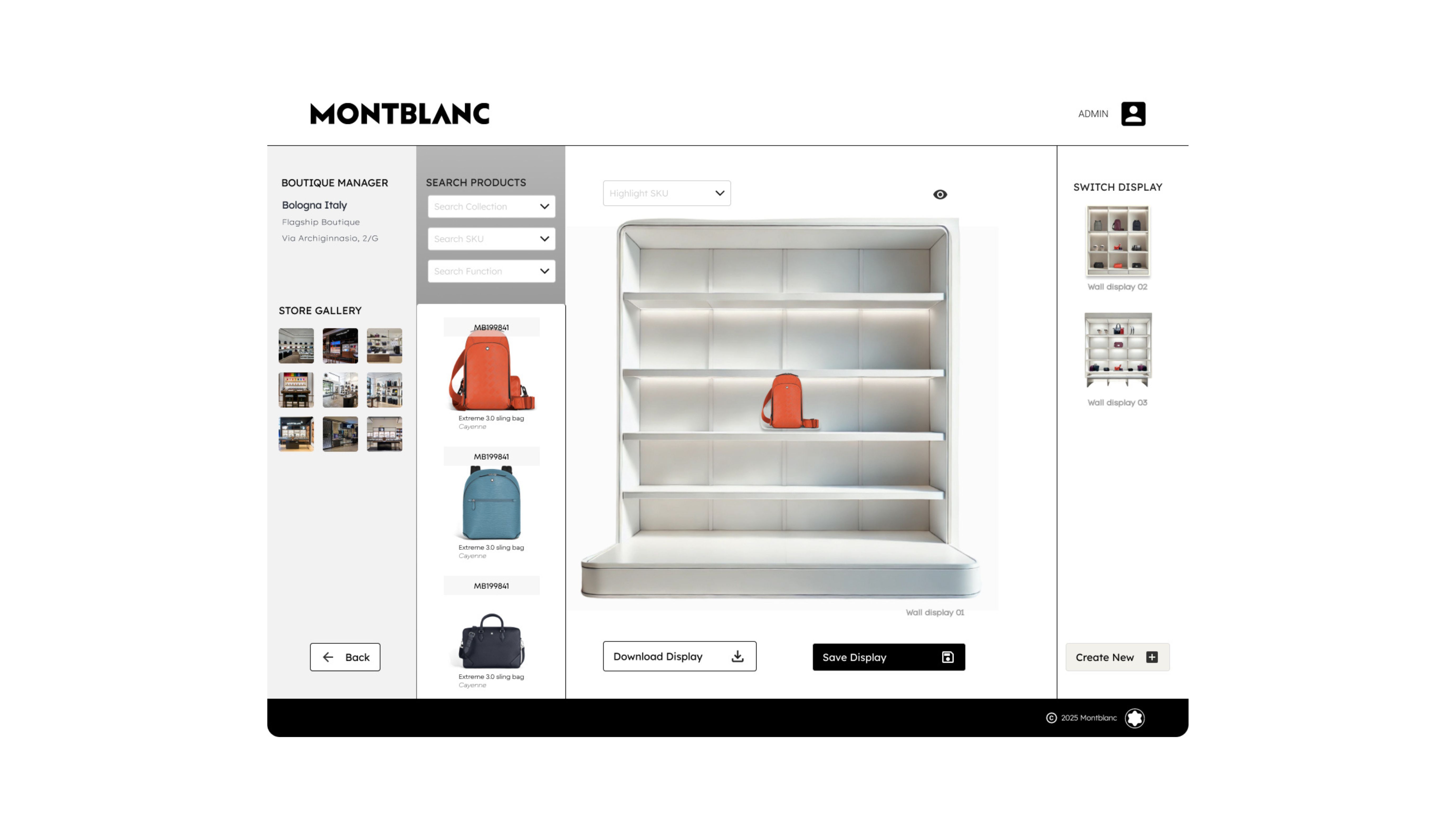
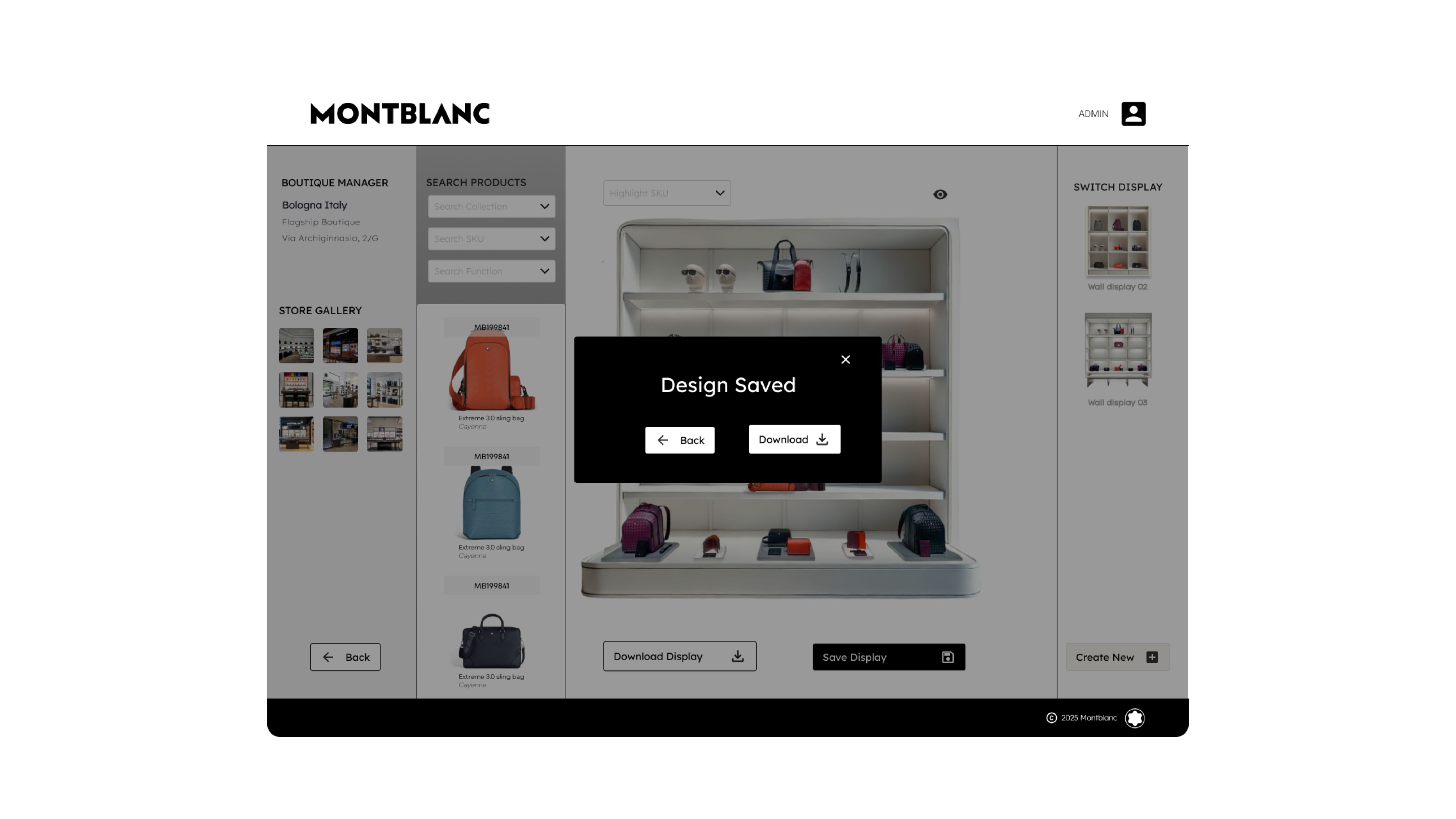
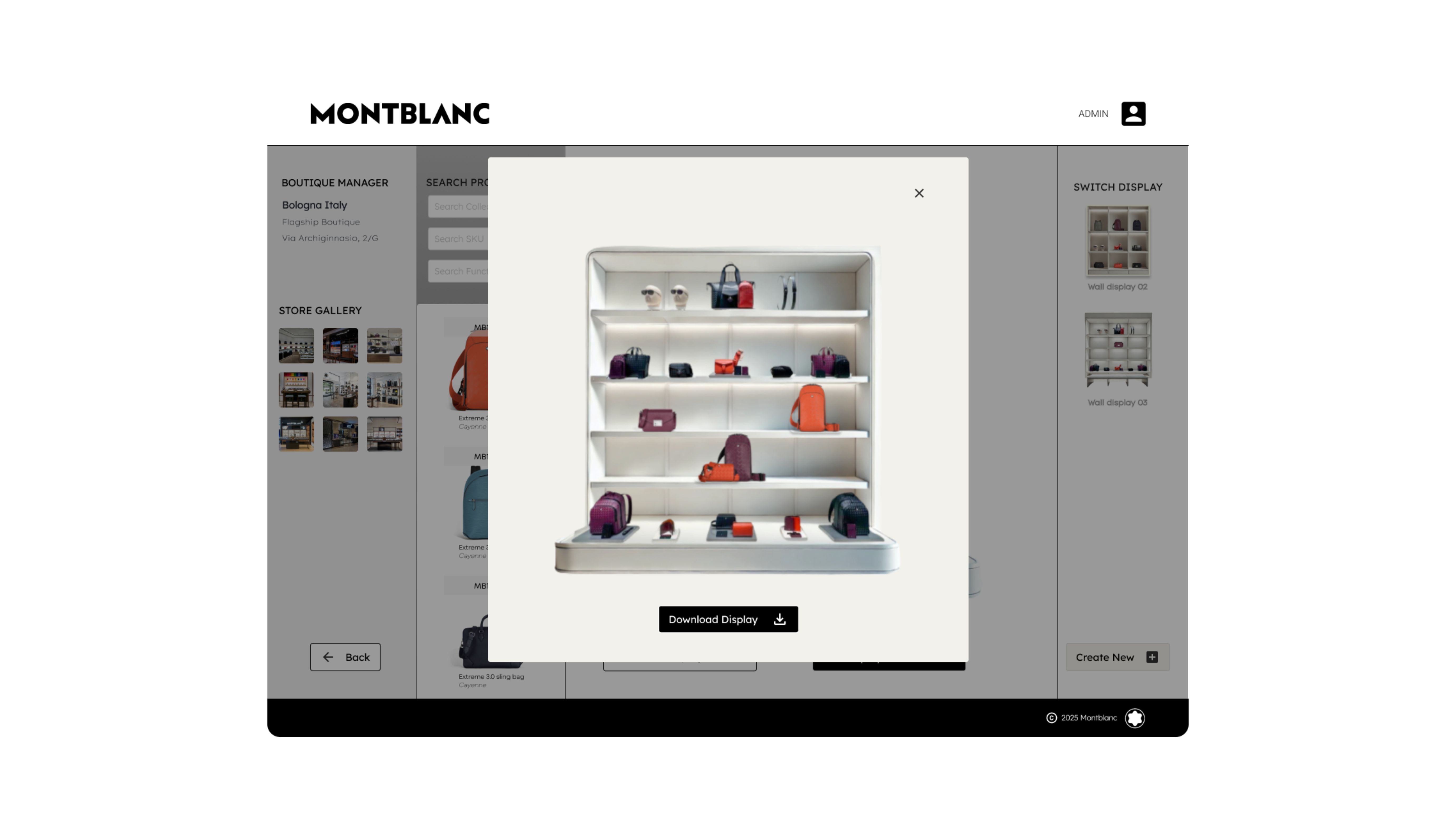
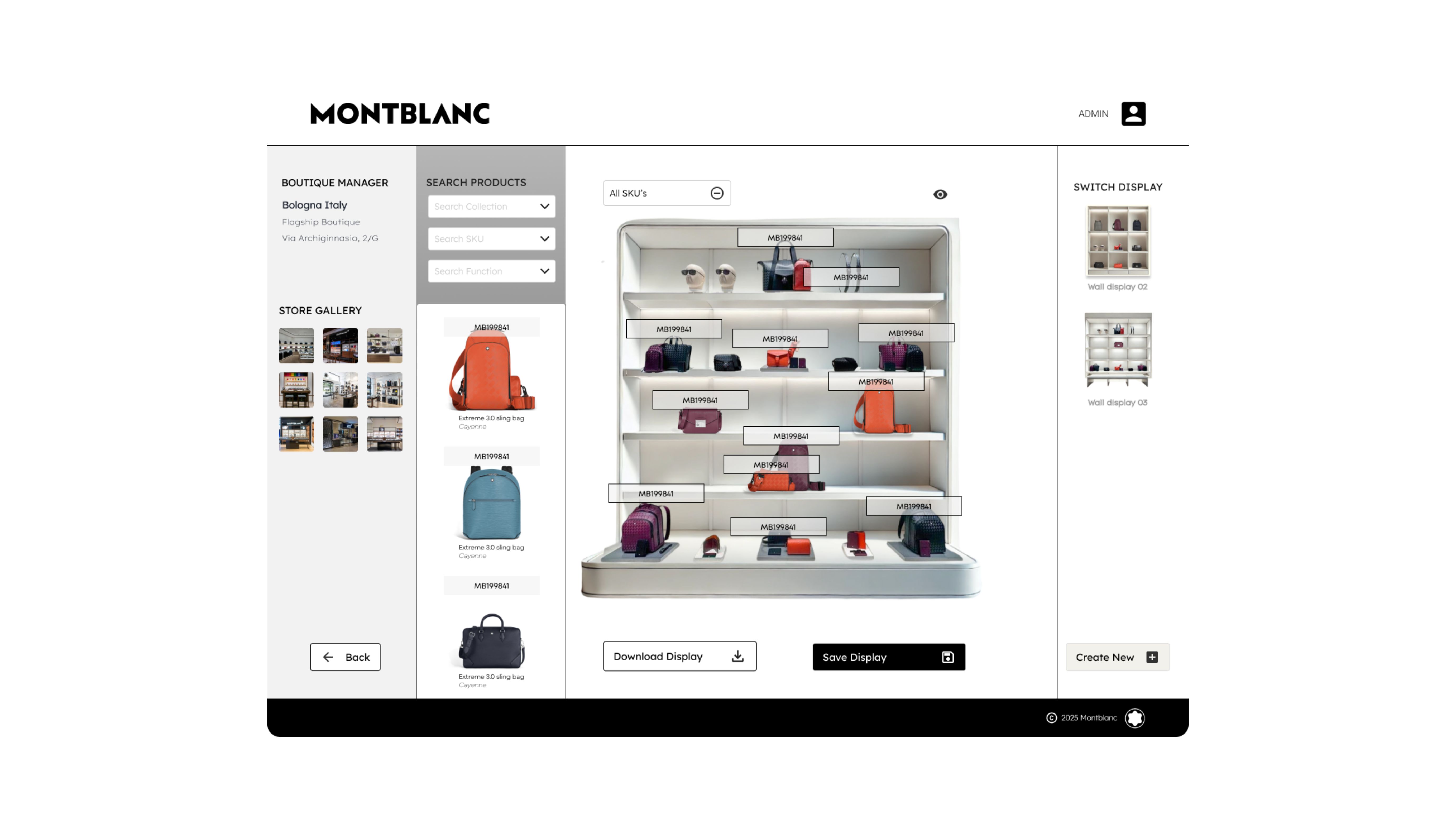
I designed a real-time visualisation platform that allowed users to search for a product SKU and instantly see it within a boutique layout. The core experience centred around a drag-and-drop interaction, enabling merchandisers to place products directly onto virtual shelves and display walls to create and refine layouts visually.
Users could switch between different store formats and regional configurations, making it easier to understand how assortments would appear in different markets. The solution provided an intuitive bridge between merchandising data and the physical retail environment, replacing static spreadsheets with a more visual and collaborative workflow.
Outcome
The platform streamlined merchandising planning by reducing manual effort and making product placement decisions easier to communicate and validate. By giving teams a shared visual representation of store layouts, it improved consistency across markets and created a foundation for future integration with merchandising and planning systems.
I’m available for new projects!
Let’s connect!
Send me a message or connect on LinkedIn, and let’s discuss how I can help you.